Dust extraction for cocoa dust
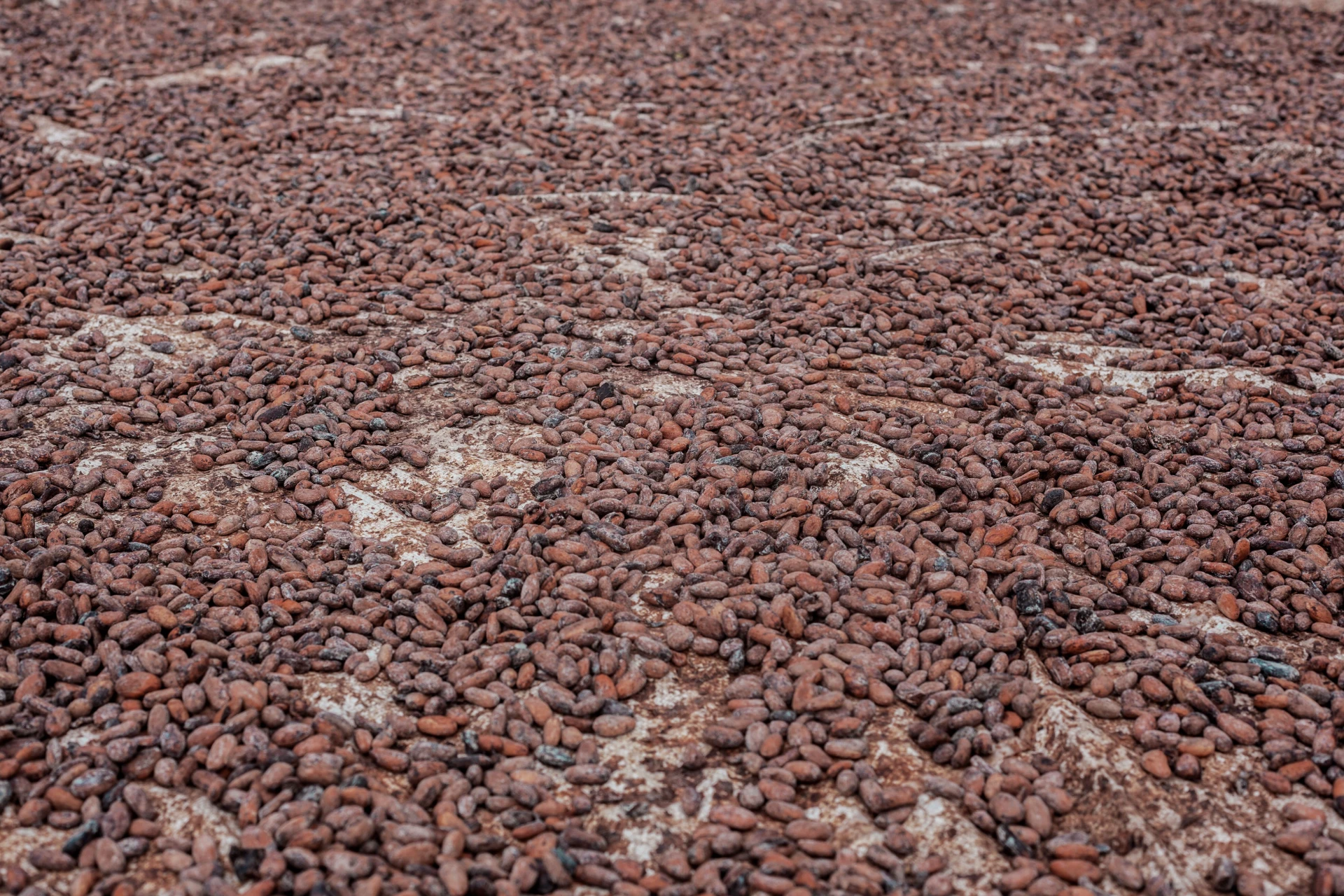
What is cocoa dust?
Cocoa dust is produced throughout the chain from bean to end product: when unloading and cleaning beans, roasting, cracking and winnowing (separating the shells), grinding into cocoa liquor and pressing into cake. The dustiest part comes after that: grinding the cake into cocoa powder, and dosing, mixing and filling it.
The composition differs per process step. At the front of the line the dust is coarser, with shell material, sand and organic dirt that arrives with the beans. Further down the line it gets finer and finer. Cocoa powder is a very fine powder that stays airborne for a long time and spreads easily through a production hall.
What sets cocoa dust apart from grain dust or flour dust is the residual fat. Depending on the type, cocoa powder still contains a large share of cocoa butter. That makes the dust sticky, quick to cake and harder to release from a filter bag. It is also hygroscopic: it absorbs moisture and then clumps even more.
Health risks of cocoa dust
Allergic respiratory symptoms and occupational asthma
Cocoa dust is a known cause of work-related respiratory symptoms. Proteins in the bean can trigger an allergic reaction in sensitive employees: coughing, wheezing, shortness of breath and nose and eye complaints. With ongoing exposure, this can develop into chronic occupational asthma. Symptoms often only appear after the shift, in the evening or at the weekend. As a result, the link with work is made late.
Mould spores, endotoxins and storage mites
Cocoa beans are fermented and dried on the plantation, then stored and shipped for weeks to months. Damp or poorly stored lots can contain mould spores, endotoxins and storage mites. These are released when unloading, tipping and cleaning the beans. Long-term exposure increases the risk of chronic respiratory symptoms and, in rare cases, hypersensitivity pneumonitis.
Organic Dust Toxic Syndrome (ODTS)
Short but intense exposure to organic dust, for example when unloading a container or cleaning a silo, can cause flu-like symptoms: fever, muscle pain, headache and general malaise. ODTS is not an allergic reaction, so it also affects employees with no known sensitivity.
Explosion risk: cocoa dust and ATEX
Cocoa dust is organic and therefore combustible. In an enclosed space, fine cocoa powder forms an explosive mixture at sufficient concentration. Cocoa powder generally falls into dust explosion class St 1. The risk is present in silos and bins, at bucket elevators and pneumatic conveying, at the mills and at the filling line.
Two places need extra attention. The roaster is an ignition source within the process itself: glowing particles and shell residue can travel with the product flow to a filter or silo further down the line. And because cocoa dust is fatty and sticky, it builds up in ducting, on beams and above suspended ceilings. A primary explosion stirs up that dust layer. That causes a secondary explosion, and that is the one that does the real damage.
Legislation and standards
Under the ATEX workplace directive 1999/92/EC and the EU Framework Directive on safety and health at work, companies that process cocoa must carry out a risk assessment and take explosion protection measures. In the UK, the same obligations follow from DSEAR. In practice, this includes:
- Installing ATEX-certified extraction and filter systems
- Classifying hazardous areas into zones (zone 20, 21 or 22)
- Drawing up and maintaining an explosion protection document
- Spark detection and extinguishing after the roaster and at the grinding installations
- Explosion venting or suppression on filters and silos
- A cleaning regime that prevents dust build-up on ducting, structural parts and floors
What makes cocoa dust difficult
Three properties determine what an installation needs to look like.
- It is fatty. The residual fat in cocoa powder settles on the filter bag and fills the pores. A filter that should come clean with a pulse of compressed air gradually clogs up. The filter medium, the air velocity through the medium and the jet-pulse cleaning settings all need to be matched to this.
- It absorbs moisture. Condensation in a duct or in a filter housing that cools down leads to clumping and caking. Insulated ducting and a well-chosen filter location prevent this.
- It is a food product. Everything that comes into contact with the product flow falls under the plant's hygiene regime. That sets requirements for material choice, cleanability and dead spots. On lines that also process milk powder, nuts or soy, allergen control comes into play: an extraction system must not become a route along which an allergen travels through the plant.
Sectors where cocoa dust plays a role
- Cocoa processors and grinders
- Chocolate manufacturers and couverture producers
- Producers of cocoa powder, butter and liquor
- Bakery and snack production with cocoa in the recipe
- Producers of drink and dessert powders
- Storage and transhipment of cocoa beans at ports and terminals
Effective dust extraction for cocoa dust
A well-designed installation takes into account the fat content of the dust, the explosion risk and the hygiene requirements of the food industry. Effective extraction for cocoa dust meets requirements such as these:
- ATEX certification for use in hazardous zones
- Sufficient extraction capacity at source: tipping points, cracker, winnower, mills, mixer and filling line
- Conveying velocities that stay high enough to keep sticky dust moving
- Filter medium and cleaning regime matched to fatty dust
- Spark detection and extinguishing after the roaster and at the grinding installations
- A food-safe, cleanable design without dead spots
- Separate extraction where allergen control requires it
Captured cocoa dust is still product. Where quality and food safety requirements allow, it can go back into the process instead of being disposed of as waste. That saves raw material and disposal costs. Our engineers determine the right capacity, filter type and explosion safety measures for each situation.
Kiekens: your specialist in cocoa dust extraction
With more than 100 years of experience in industrial dust extraction, we know the requirements of the food industry well. We give tailored advice: from a single extraction hood at a tipping point to a fully integrated system for a complete cocoa line. We start by looking: where is the moisture, where does the dust stick, where does the operator stand? Then we design, build and maintain, all from one source. With the Clean Air Plan, we keep the installation in top condition all year round.
Would you like to know how to tackle cocoa dust exposure in your company for good? Contact one of our specialists for a no-obligation consultation.