Metal dust extraction
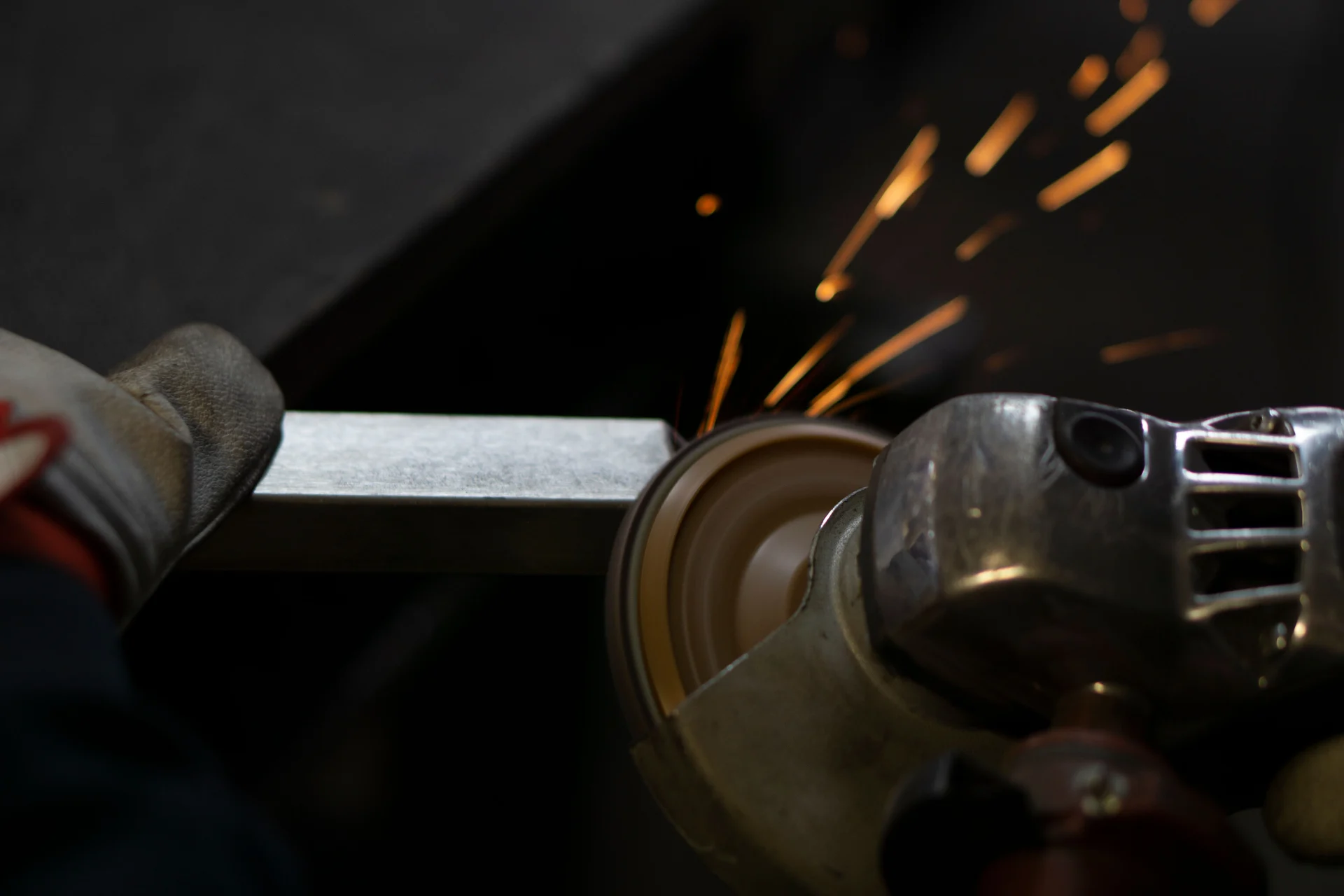
Correct and efficient control of metal dust is therefore not optional, but an absolute necessity for any modern metalworking company striving for safety, compliance, and productivity.
The three main risks of metal dust in the industry
Metal dust consists of extremely fine particles that hang in the air and spread everywhere. Depending on the type of metal (such as iron, chromium, nickel, zinc, or the highly reactive aluminum and magnesium dust), the risks vary, but they are always serious.
Serious health risks from inhalation
When your employees inhale fine metal dust particles, these can penetrate deep into the lungs. The impact on the respiratory tract can be significant, leading to serious, chronic conditions:
- Metal fume fever: These are flu-like symptoms that often occur after short-term exposure to fresh metal fumes (for example, during the welding of galvanized steel).
- Chronic lung conditions: Long-term exposure increases the risk of asthma, chronic bronchitis, and even pneumoconiosis (black lung disease). With certain alloys and metals, such as those containing nickel or chromium (in hexavalent form), there is a significantly increased risk of occupational diseases and cancer, resulting in high costs and long-term staff absenteeism.
Meeting current exposure limits and protecting the health of your team, as stipulated in occupational health and safety legislation, starts with effective source extraction.
Explosion hazard: a latent ATEX risk
Perhaps the most underestimated danger, especially with metals like aluminum, magnesium, or titanium, is the risk of a dust explosion. Metal dust is very finely divided, and when it hangs in the air at the right, critical concentration (the so-called LEL or lower explosive limit), only a small ignition source is needed. This could be a static discharge, an overheated motor, or a welding spark. The consequences of such a dust explosion are catastrophic: severe injuries, damage to the building, and complete production downtime. This ATEX risk requires specialized extraction equipment and safety measures to keep the dust concentration in the workplace structurally low. A simple vacuum cleaner is not sufficient here; you need ATEX-certified systems.
Damage to production equipment and downtime
In addition to the dangers to people and property, metal dust is the enemy of your expensive equipment. Metal dust is often conductive, abrasive, and can accumulate everywhere. Electronic malfunctions: Fine, conductive dust can cause short circuits and malfunctions in the sensitive electronics of CNC machines, robots, and control cabinets, leading to costly repairs and unexpected downtime. Mechanical wear: Dust accumulation on bearings, rails, and moving parts accelerates wear. This leads to a higher maintenance frequency and unexpected production downtime, with all the financial consequences that entails.
The challenge of the right extraction solution
Choosing the right extraction system for metal dust is complex. You must take into account:
- The type of metal: Is the dust combustible (aluminum, magnesium) or primarily hazardous (stainless steel, chrome)? This determines whether you need a dry separator, a wet scrubber, or a specialized filtration system.
- The source and particle size: Is the dust generated by a small manual operation or a large, fully automated machine? This determines the required suction power and capacity.
- Legislation: Does your installation meet workplace health requirements and ATEX directives?
Kiekens: your specialist in safe metal dust extraction
It is clear that effective and safe dust management is essential. You need a robust, industrial solution that addresses these risks at the source. Kiekens has been a leader in industrial air purification for over 100 years. We have the proven industrial dust extraction solutions to safely and efficiently extract metal dust and purify the air.
How we eliminate risks and ensure quality
Our systems are designed to tackle the specific challenges of metal dust:
- Targeted source extraction and customization: We capture dust particles directly where they are generated (e.g., at grinding tables, polishing booths, or welding fume extraction points). By eliminating contamination at the source, we minimize its spread throughout the facility and meet the highest workplace standards.
- ATEX-certified safety: For combustible metal dusts, we provide ATEX-compliant extraction systems, including wet scrubbers that immediately neutralize dust particles by binding them in water. This is essential when processing metals such as titanium and aluminum.
- High-quality filtration for clean air: Our systems are equipped with powerful filters that effectively remove even the finest metal particles (PM2.5) from the air. This often allows the purified air to be recirculated into the workshop, where possible, which saves energy and contributes to a healthy and safe working environment.
By choosing Kiekens, you are investing in compliance with occupational health and safety regulations, the longevity of your machinery, and, most importantly, the health and safety of your staff.
Do you want to know how to make your production process safer, cleaner, and more efficient, and permanently eliminate the risks of metal dust? Contact one of our experts and schedule a no-obligation consultation to discover which extraction solution best fits your specific metalworking operation.